
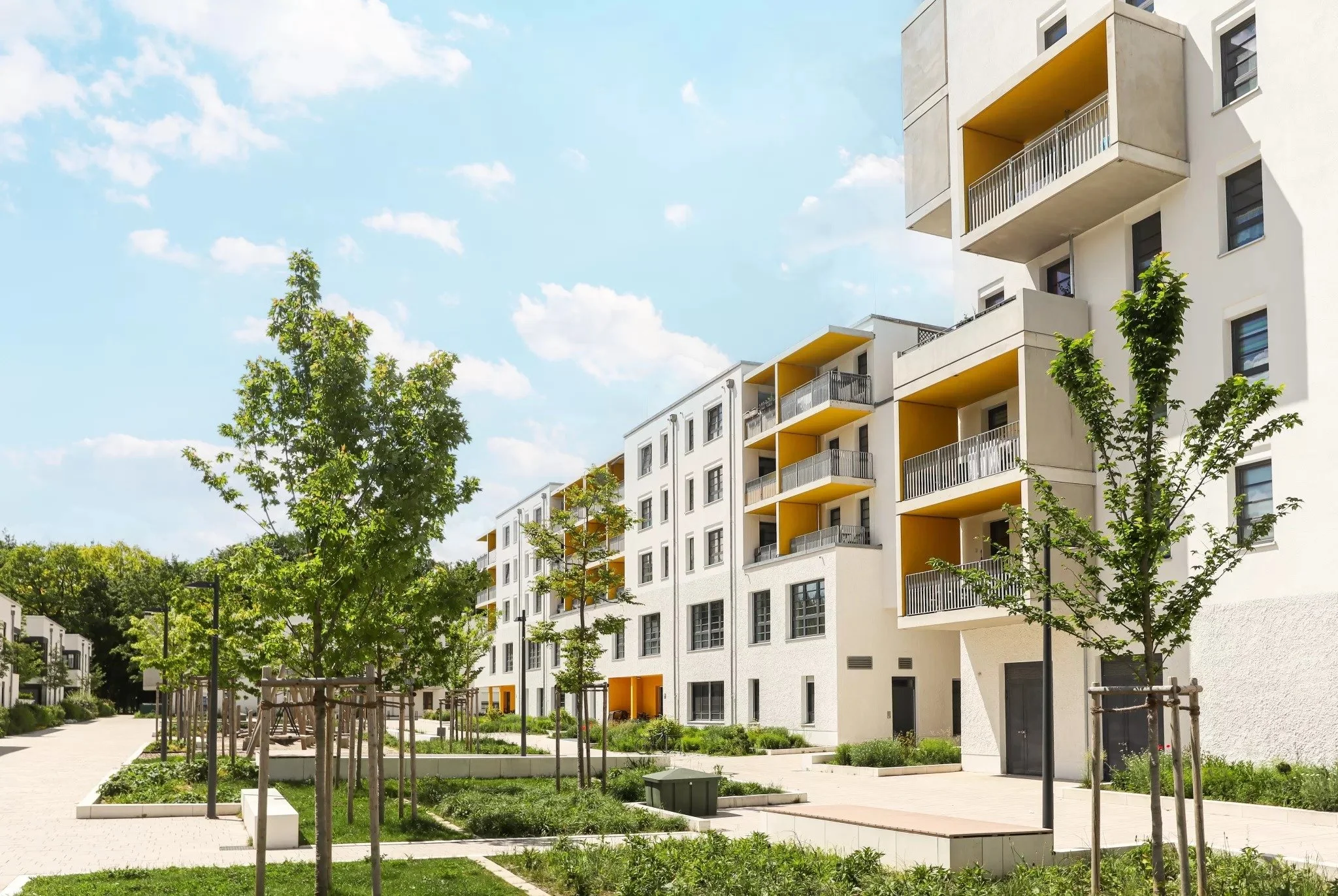
When evaluating real estate investment opportunities, not all asset classes are created equal.
Multifamily real estate—properties with five or more residential units—has earned its place as one of the most reliable and scalable options for investors seeking income, tax advantages, and long-term growth.
How does multifamily compare to other property types like single-family rentals, office buildings, or land? Let’s take a look.
1. Steady Demand in All Market Cycles
Multifamily vs. Office & Retail:
Office and retail properties are subject to business cycles, remote work trends, and evolving consumer habits.
Multifamily: People always need housing. Demand for rentals is driven by population growth, affordability gaps, and lifestyle shifts—not corporate budgets.
Multifamily vs. Land:
Raw land offers no income while you wait for appreciation (which may take years and require rezoning). Multifamily generates immediate, ongoing cash flow.
2. Stability and Scalable Cash Flow
Multifamily vs. Single-Family Rentals:
Single-family homes rely on one tenant—creating 100% vacancy if the home is empty. Multifamily spreads income across many units, smoothing cash flow.
Multifamily vs. Storage & Mobile Home Parks:
While both storage and mobile home parks can provide good returns, multifamily typically serves a broader demographic and enjoys more financing options, making it easier to scale.
3. Attractive Financing & Tax Benefits
Multifamily vs. Other Asset Classes:
Multifamily properties often qualify for the most favorable commercial real estate loans, with lower rates and longer terms—thanks to the perceived stability of the asset class.
In addition, multifamily offers:
Depreciation deductions
Mortgage interest deductions
1031 exchange eligibility
Estate planning advantages
These benefits can significantly enhance after-tax returns—often more so than office, retail, or raw land.
4. Resilient Performance in Uncertain Times
Multifamily vs. Office & Retail:
During downturns, tenants may reduce office space or retail footprints—but housing remains an essential need. Multifamily tends to maintain stronger occupancy and rental performance in volatile markets.
Multifamily vs. Storage & Mobile Home Parks:
These niche asset classes may be subject to local regulatory changes or saturation risk. Multifamily—especially workforce housing—is supported by fundamental demand in most U.S. markets.
5. Dual Sources of Return: Income + Appreciation
Multifamily vs. Land & Other Speculative Plays:
Land typically offers no income and relies solely on appreciation.
Multifamily: You earn both ongoing income and long-term appreciation through:
Market rent growth
Strategic renovations (forced appreciation)
Professional management improvements
Multifamily vs. Single-Family:
Multifamily scales more easily. You can increase NOI through efficiencies and have institutional exit opportunities—an option not easily available with scattered single-family portfolios.
Final Thought: A Time-Tested, Scalable Asset Class
Multifamily real estate offers investors a unique combination of:
✅ Consistent demand
✅ Steady cash flow
✅ Favorable financing
✅ Tax efficiency
✅ Long-term growth potential
If you’re comparing real estate sectors and seeking both income and stability, multifamily deserves your close attention.