
Unemployment remains low in Pennsylvania, but the job market shows signs of weakening
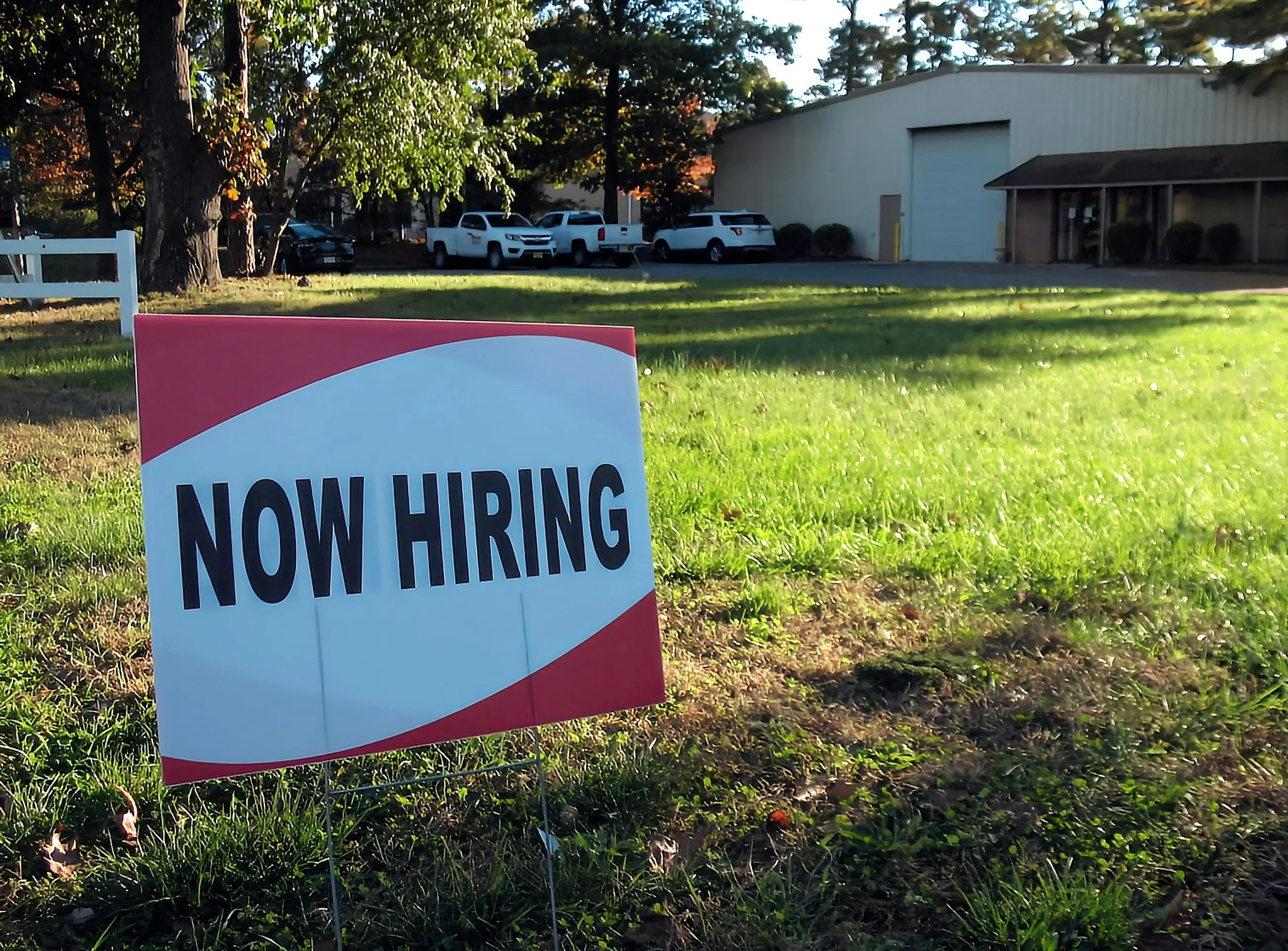
As Labor Day approaches, a new report finds the job market in Pennsylvania is relatively healthy, but hiring growth has slowed, and racial and gender disparities in employment and wages have widened.
The state’s unemployment rate fell to 3.9% in July, the lowest figure in nearly two years. But over the past 12 months, the rate has averaged 6.5% among Black residents and 8.7% among Hispanics, a huge jump from their lows three years earlier, according to the report from the Keystone Research Center, a union-affiliated think tank in Harrisburg. The rate among white workers was 3.1%.
“Wages continue to outpace inflation, but those gains haven’t eliminated the substantial wage gaps for different demographics of workers,” research director Claire Kovach said in a press call Wednesday.
The report also discussed the prospect of data center development as a source of new jobs, warning that the benefits and drawbacks of the rapidly expanding industry must be carefully evaluated before more centers are allowed.
“Data centers can create significant multiyear construction work, and those jobs matter,” Executive Director Bernie Gallagher said. “Our challenge is deciding which projects provide enough lasting value to justify extraordinary demands on electricity, transmission, water, land and infrastructure.”
Wake Up With The Facts
Inbox Edition: A 5-minute morning read, covering the Pittsburgh news that impacts your life.
Fewer opportunities for workers
The researchers said they had found “blinking warning signs” of job market weakness in part by looking at data covering 12- and 18-month periods, which illustrates trends that may be less evident from monthly reports.
For example, the unemployment rate averaged 4.2% from January 2025 through July 2026, which was higher than the historically low 3.8% in the second half of 2023 through the end of 2024.
As jobs got harder to find last year, the number of workers who stopped looking and dropped out of the market jumped, from a low of about 8,000 in early 2025 to more than 15,000 in the third quarter of the year, the Keystone report said. More workers are also staying put rather than looking for better options.
“Our rate of hiring has slowed and our rate of quits have slowed, meaning that workers no longer have the confidence in the labor market to negotiate for better benefits and wages, or have the belief that they’ll be able to find more fulfilling employment elsewhere if they leave their current job,” research analyst Maisum Murtaza said.
From mid-2021 to mid-2024, Pennsylvania had more job openings than unemployed workers, making it easier to find positions and get hired, the report said. That disparity had faded away by last fall, and in December, there were more unemployed people than openings.
‘Green steel’ vs. data centers
As policymakers consider how to create more good jobs, Gallagher argued that they should not only think about how to manage the data center boom, but also work to attract investment in “green steel,” which is produced using technologies that emit fewer greenhouse gases than traditional methods.
If next-generation steel manufacturers don’t open plants in Pennsylvania, the state will see its historic steel industry further erode and lose long-term job creation opportunities, he said.
“We don’t want Pennsylvania to become primarily the place where steel is made elsewhere and then is rolled and finished here,” he said. “We want the next generation of primary steel making here.”
To that end, the state must launch a strategy of identifying sites for new steel plants, arranging energy sources, training workers and competing to entice manufacturers to build here, he said. Incentives should be attached to conditions such as union hiring requirements, environmental improvement, community benefits and provisions for cleanup.
The report says the state should also welcome data center projects, provided they arrange their own energy sources — as a new policy from Gov. Josh Shapiro mandates — as well as cover their own costs and create good jobs. Proposals that don’t meet those requirements should be modified, delayed or blocked, Gallagher said.
“Construction jobs are important, and they should come with strong labor standards and union rights, but the analysis also has to include permanent jobs and the impacts on manufacturers and other employers in the ecosystem facing higher electricity costs,” he said.
Source: WESA