

Real estate investing is about more than acquiring properties. It is about identifying assets that meet essential needs, understanding the markets that support them, and creating opportunities for sustainable income over time.
For Lehigh Valley Private Equity Fund (LVPEF), the acquisition of Riverside Medical Center represents a strategic expansion into healthcare real estate, building on the Fund’s established experience in commercial property investment and lending. The move reflects a deliberate effort to diversify the portfolio with income-producing assets supported by established healthcare providers and identifiable opportunities for future growth.
As LVPEF looks toward its next phase of growth in 2027, Riverside Medical Center represents an opportunity to apply the Fund’s disciplined investment approach to a sector with distinct demand drivers.
Introducing Riverside Medical Center
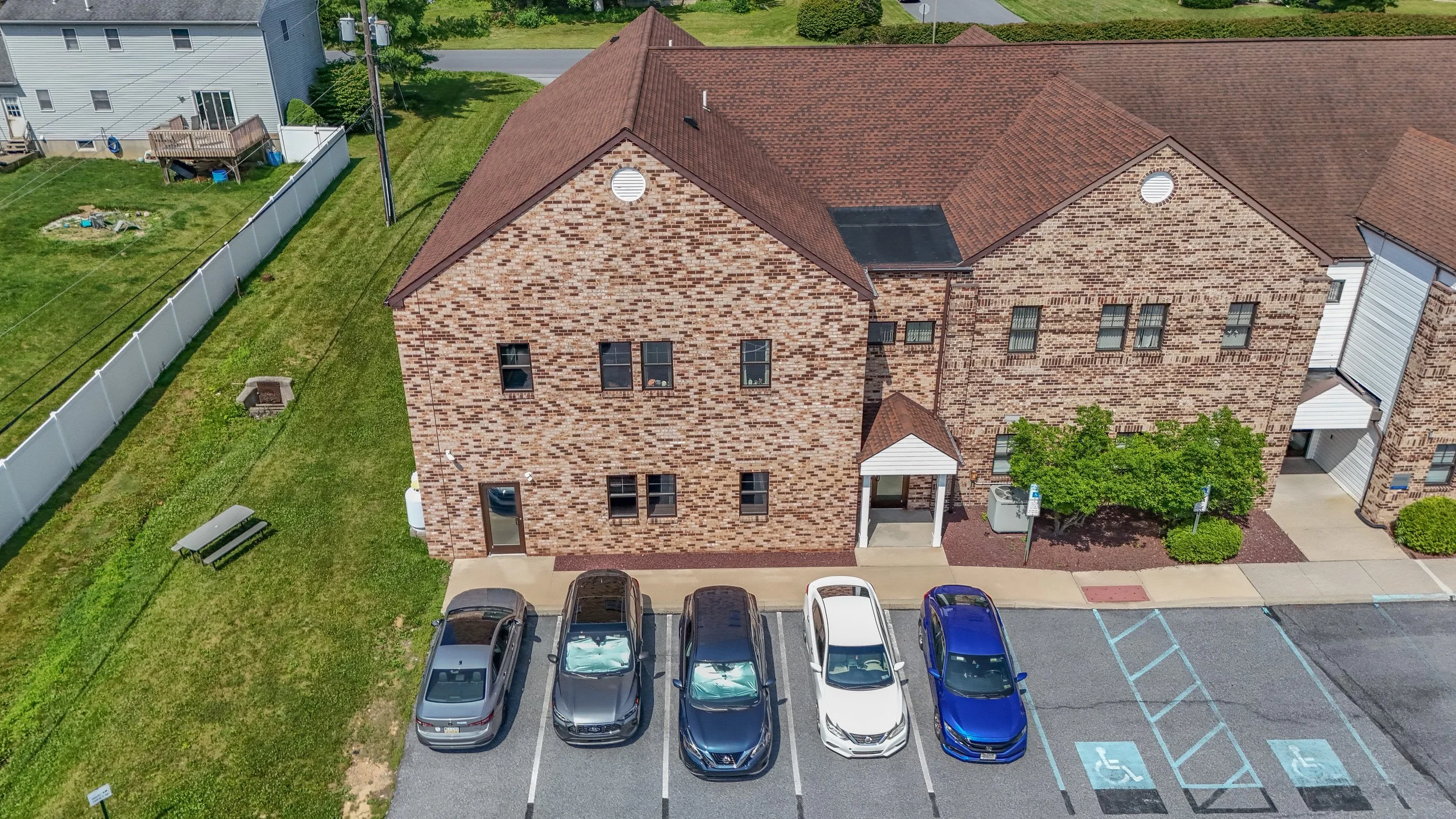
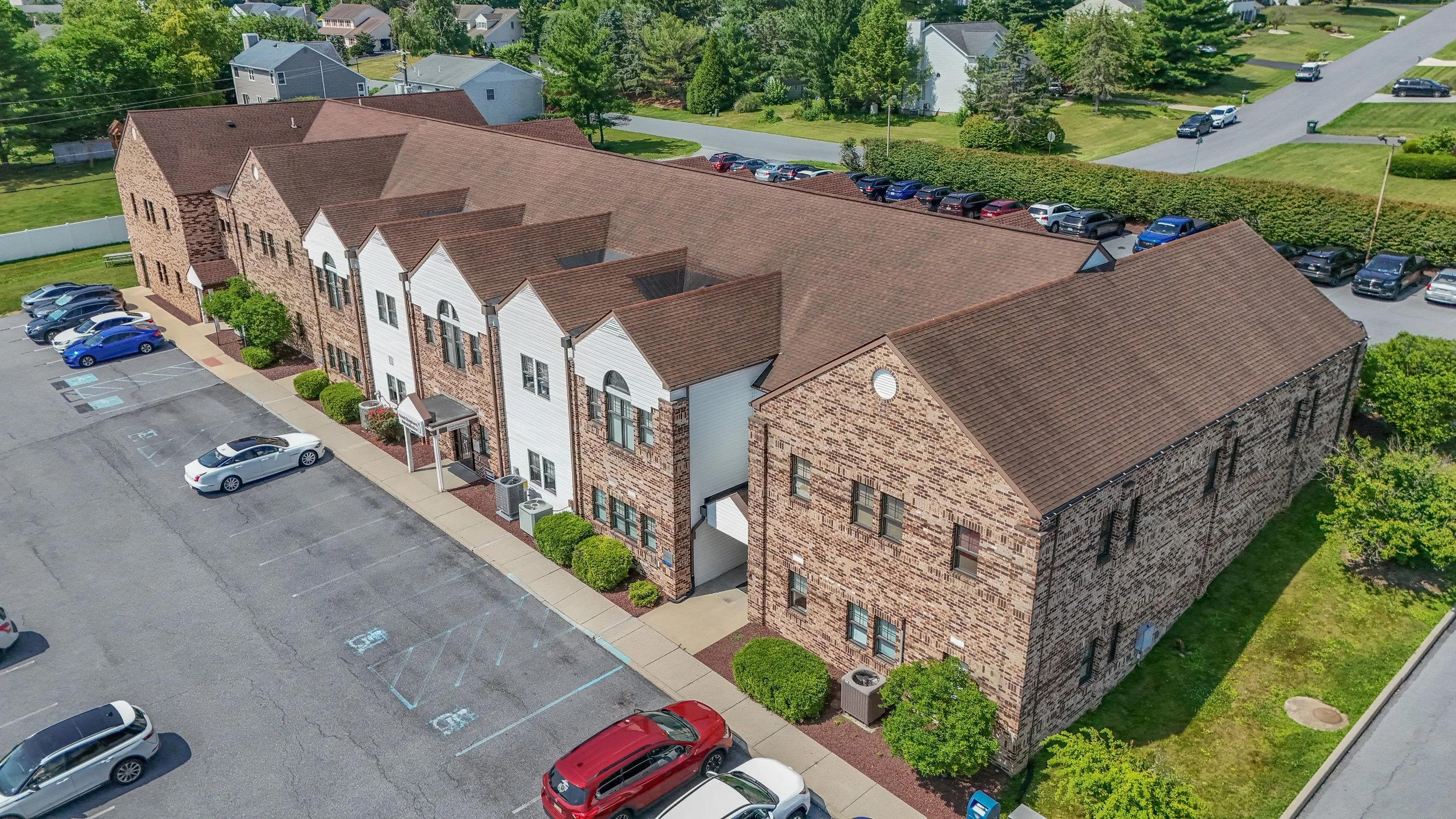
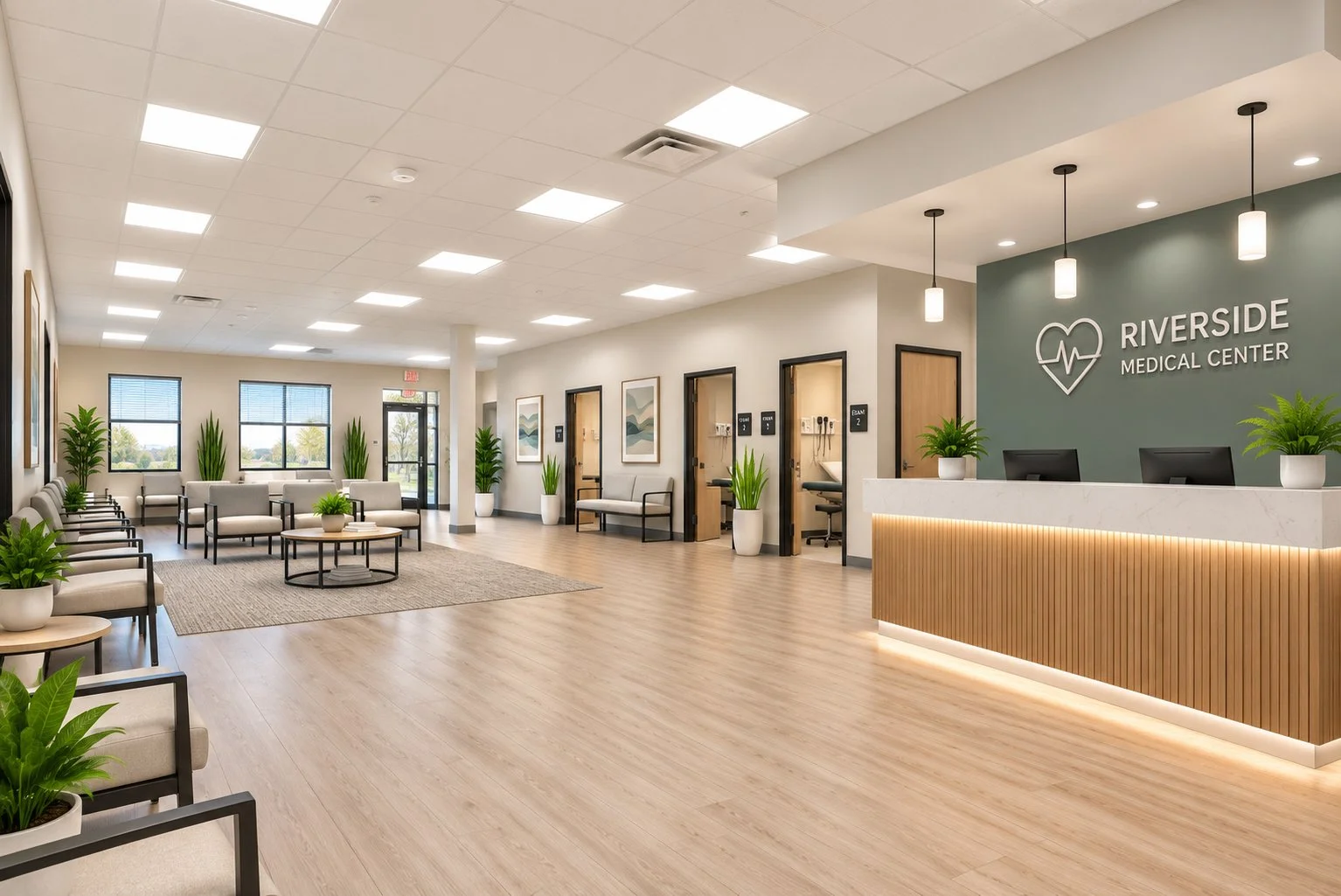
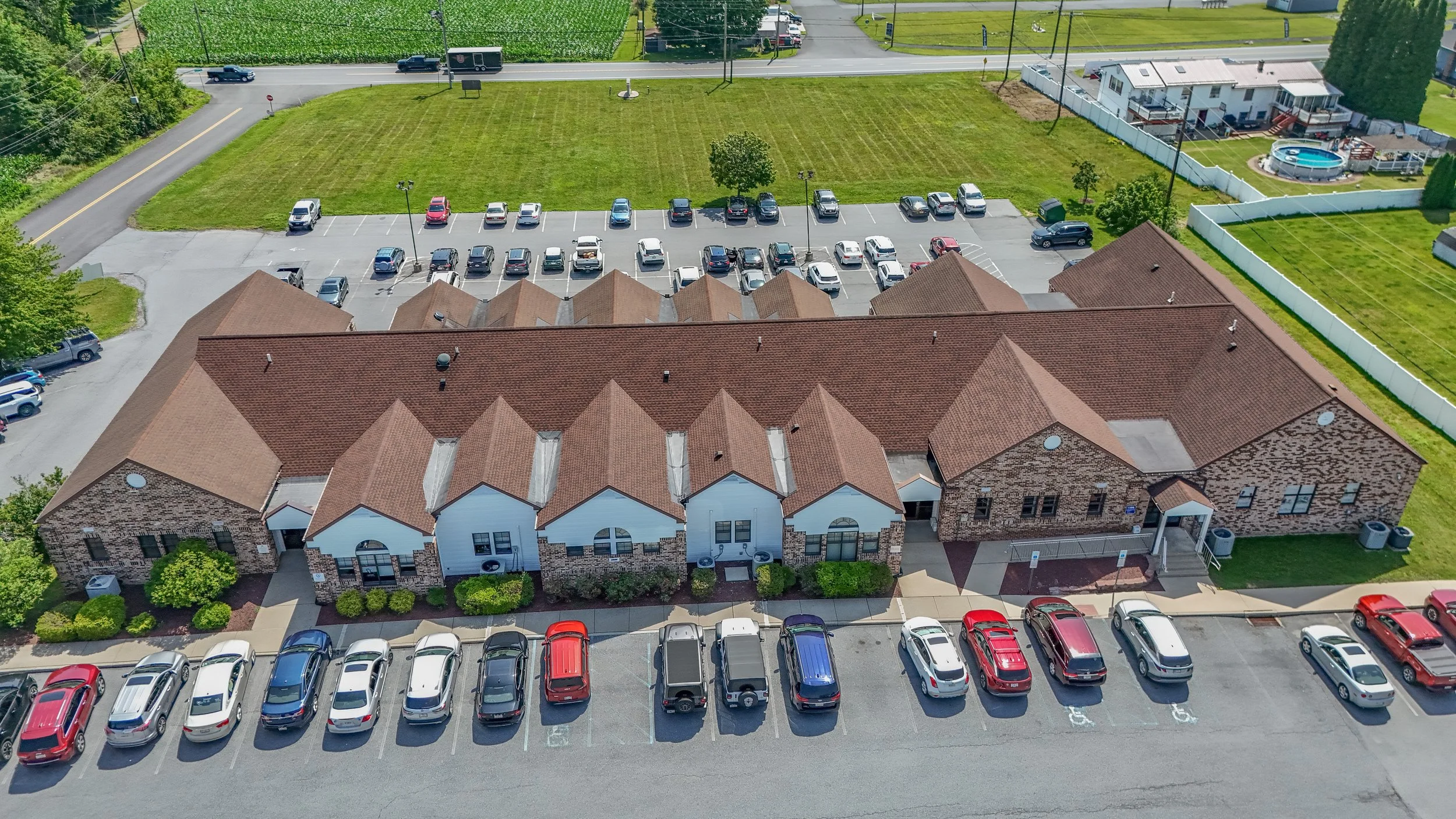
Riverside Medical Center is a 27,128-square-foot medical office building located in the Lehigh Valley, Pennsylvania. Acquired for $5.95 million, the property brings together multiple healthcare providers under one roof, creating a medical office environment designed to support a range of patient services.
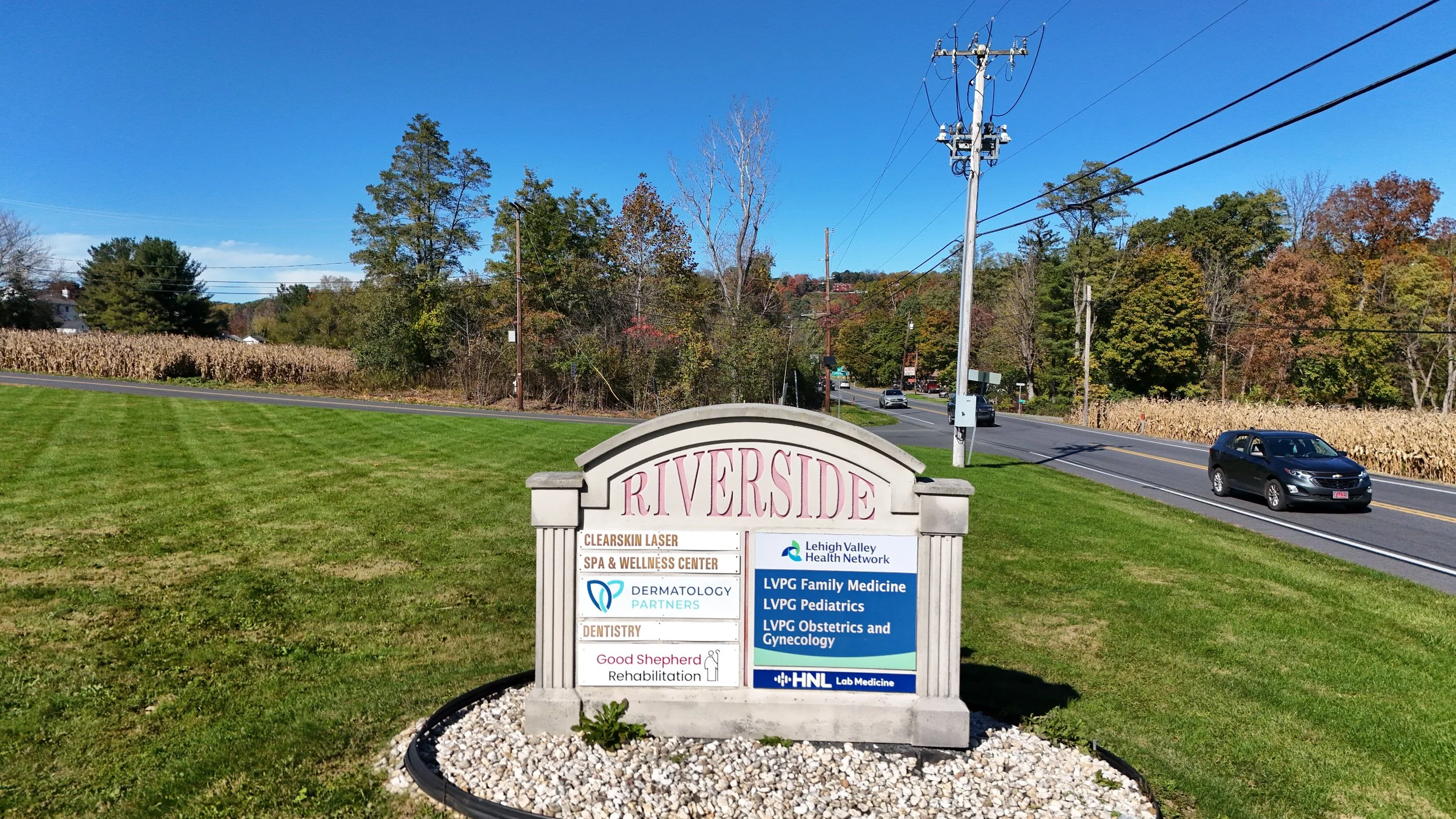
Its tenant roster includes Lehigh Valley Physician Group (LVPG)/Lehigh Valley Health Network (LVHN), HNL Lab Medicine, Good Shepherd Rehabilitation, Dermatology Partners, and Dr. McAuliffe, DDS.
These providers represent different areas of healthcare delivery, from physician services and laboratory testing to rehabilitation, dermatology, and dental care. Their presence gives the property a diverse healthcare-oriented tenant mix and connects its commercial purpose to services that communities rely on.
For LVPEF, the acquisition is more than an addition to the portfolio. It represents a step toward expanding the types of income-producing real estate in which the Fund invests while maintaining a focus on property fundamentals, tenant relationships, and active management.
Why LVPEF Is Expanding Into Medical Office Real Estate
The decision to enter the medical office sector reflects an investment strategy centered on diversification, durable demand, and opportunities to improve property performance.
Healthcare facilities serve needs that persist across economic cycles. People continue to require medical consultations, diagnostic testing, rehabilitation, and other healthcare services regardless of broader economic conditions. While no property investment is entirely recession-proof, medical office buildings can benefit from demand drivers that differ from those influencing more discretionary commercial sectors.
Medical office real estate also offers the opportunity to work with established healthcare providers whose operations depend on accessible, functional spaces for delivering services.
For investors, however, the strength of a medical office investment depends on more than the nature of its tenants. Location, lease structures, occupancy, operating costs, tenant creditworthiness, and the property’s potential to generate additional income all remain important considerations.
Riverside aligns with this approach by combining an established tenant base with an identifiable opportunity to increase occupancy and cash flow through the leasing of its remaining available medical suite.
The acquisition also marks LVPEF’s second medical office investment associated with LVHN, following its first acquisition at 529 W. Broad Street in November 2025. Together, these investments reflect the Fund’s growing participation in a sector it sees as complementary to its broader commercial real estate strategy.
Location Matters: The Lehigh Valley Healthcare Market
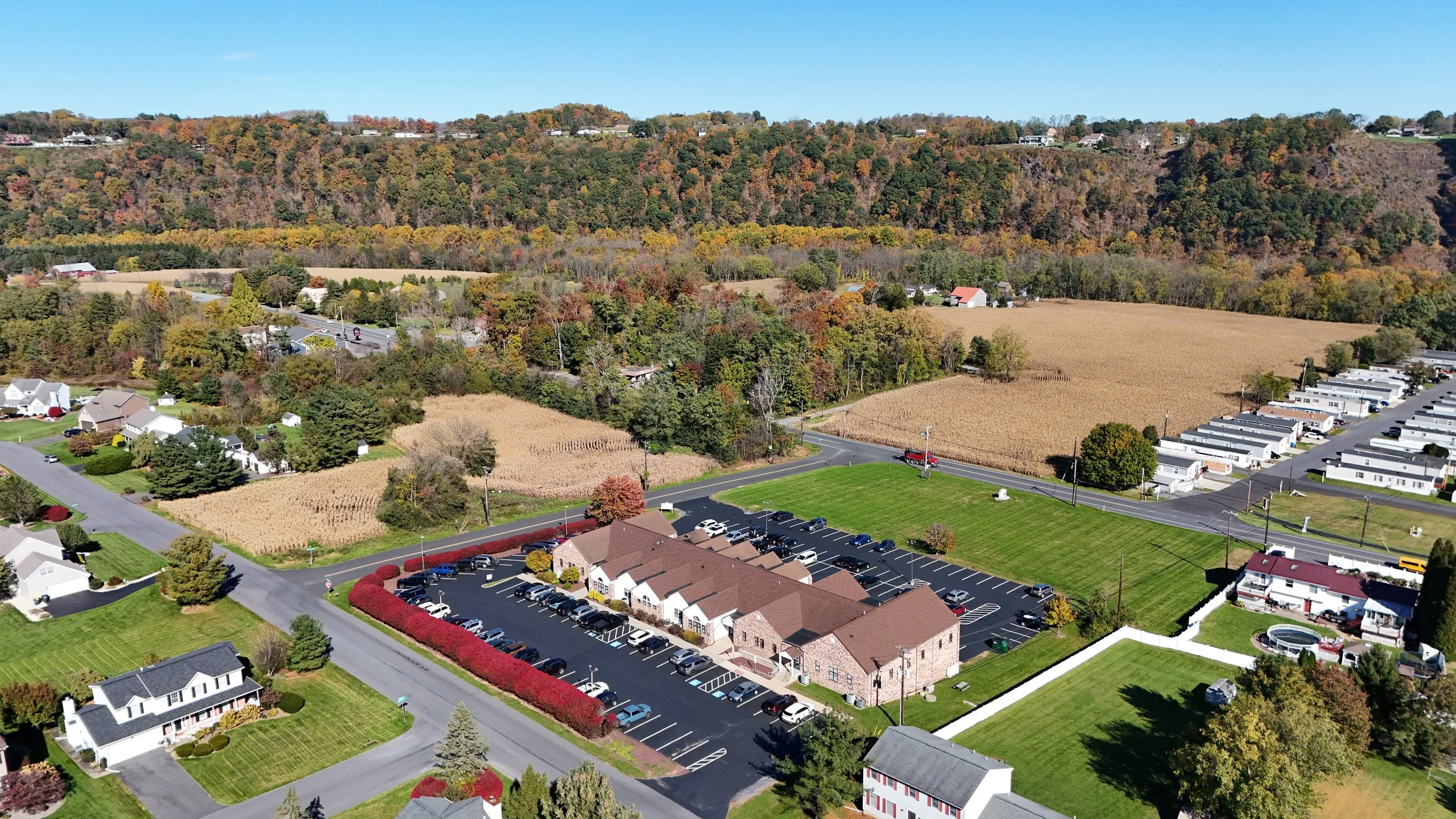
The Lehigh Valley provides an important regional context for Riverside Medical Center’s investment potential.
Located in Eastern Pennsylvania, the region serves a substantial population across its urban and suburban communities. Its healthcare infrastructure includes hospitals, physician practices, diagnostic facilities, rehabilitation providers, and specialty medical services.
For medical office properties, proximity to patients and established healthcare networks can be important factors in tenant demand. Convenient access, a suitable location, and the ability to accommodate different medical services can help support a property’s relevance within its local market.
Riverside’s existing tenant mix places it within this broader healthcare ecosystem. Rather than depending on a single type of medical service, the property accommodates providers across several specialties, creating a setting in which different healthcare businesses contribute to its overall occupancy and operating income.
This does not eliminate the risks associated with vacancies, lease renewals, or changes in tenant requirements. Instead, it gives LVPEF an opportunity to manage the property actively, build on existing tenancy, and pursue additional leasing where demand supports it.
LVHN: An Established Healthcare Presence
A significant part of Riverside Medical Center’s story is its connection to Lehigh Valley Health Network.
LVHN is a major healthcare provider serving communities throughout the Lehigh Valley and surrounding areas. Through its physician practices and affiliated services, the network plays an important role in delivering medical care across the region.
LVHN’s presence at Riverside connects the property to an established healthcare network with a broad regional footprint. Its inclusion among the property’s tenants also illustrates how medical office buildings can support the day-to-day operations of larger healthcare organizations beyond their hospital campuses.
For LVPEF, understanding this relationship is part of evaluating the property and its place within the local healthcare market. The investment case rests on the property’s overall fundamentals, including the tenant roster, lease arrangements, location, and opportunities to strengthen operating performance over time.
Importantly, LVHN’s presence should be considered alongside the other providers occupying Riverside. Each tenant and its contractual obligations contribute to the property’s income profile, and the performance of the investment remains subject to those individual lease arrangements.
The Jefferson Health Merger: A Broader Healthcare Connection
LVHN’s relationship with Jefferson Health adds another dimension to Riverside Medical Center’s story.
On August 1, 2024, LVHN and Jefferson Health completed their combination, bringing the two healthcare organizations together within a larger integrated health system serving Eastern Pennsylvania and Southern New Jersey.
The combination expanded Jefferson’s regional presence and brought together extensive hospital, physician, and outpatient care operations. The resulting organization operates across a broad network of healthcare locations, reflecting the scale and reach of the combined system. The merger is relevant to Riverside because LVHN, one of the property’s tenants, is now part of this larger healthcare organization. It provides additional context for understanding the institutional landscape in which the tenant operates and the wider healthcare network serving the region.
For real estate investors, this connection highlights the importance of looking beyond a property’s physical structure to understand the businesses and organizations occupying it. At the same time, the merger should not be interpreted as an automatic guarantee of LVHN’s lease obligations by Jefferson Health. Tenant creditworthiness, lease terms, and the legal entities responsible for those obligations remain important elements of property-level due diligence.
Ultimately, the relevance of the merger lies in the broader healthcare context it provides, rather than any assumption that the combined organization’s scale alone determines Riverside’s investment performance.
An Opportunity to Strengthen Income Through Active Management
Riverside Medical Center offers LVPEF an established income-producing asset alongside a clear opportunity to improve occupancy.
Approximately 3,000 square feet of medical office space remains available for leasing. Filling this suite would allow the Fund to bring additional tenant activity into the building and pursue an increase in rental income.
This opportunity reflects an important part of LVPEF’s investment approach: identifying properties with existing operating foundations and practical ways to improve their performance through active management.
The leasing process will depend on market demand, suitable tenant prospects, lease negotiations, and the time required to secure occupancy. Nevertheless, the available suite gives the Fund a specific objective to pursue as it manages the property.
Medical office tenants may also have specialized requirements involving layout, accessibility, utilities, and other building features. Successfully leasing the space will require matching those requirements with the property’s capabilities and the needs of prospective occupants.
By combining established tenancy with a defined leasing opportunity, Riverside allows LVPEF to focus on both preserving the property’s existing income and pursuing additional value through operational execution.
Positioning LVPEF for 2027 and Beyond
Riverside Medical Center represents more than the Fund’s entry into another property category. It reflects an ongoing effort to build a diversified portfolio supported by multiple sources of real estate income.
LVPEF has built its investment platform around real estate acquisitions and lending, with an emphasis on disciplined underwriting, local management, and income generation. Its track record of 60 consecutive monthly investor distributions without a missed payment provides important context for the Fund’s focus on consistency and operational discipline, although past performance does not guarantee future results.
The expansion into medical office real estate creates another avenue through which the Fund can pursue its long-term objectives. By investing in properties that serve essential industries, LVPEF can broaden its exposure beyond traditional property categories while continuing to evaluate each acquisition on its individual merits.
As the Fund looks toward 2027, the priority remains to manage its existing assets effectively, identify opportunities to improve cash flow, and evaluate future investments with a focus on long-term value creation.
Riverside’s established healthcare tenant base, location within the Lehigh Valley, connection to the region’s wider healthcare network, and available medical suite give the Fund several factors to work with as it develops the property’s performance.
No single asset determines the success of an investment portfolio. Rather, long-term results depend on how properties are selected, financed, managed, and positioned to respond to changing market conditions. Riverside is one part of that broader strategy.
How to Invest With LVPEF
For investors interested in private real estate investing, Riverside Medical Center offers an opportunity to understand how LVPEF approaches property acquisition, tenant analysis, and long-term portfolio development. The Fund continues to focus on identifying real estate opportunities, managing assets with attention to their underlying fundamentals, and pursuing income generation through disciplined investment decisions.
Prospective investors can learn more about LVPEF’s investment strategy, portfolio, and investment process by visiting www.lvpefund.com or contacting the Fund directly for information about current investment opportunities, eligibility requirements, and applicable offering documents.
As LVPEF moves toward its next chapter, Riverside Medical Center illustrates the Fund’s commitment to exploring new sectors, investing with purpose, and building a real estate portfolio designed with the long term in mind.
The opportunity is not simply to own more property. It is to own and manage the right assets, understand the forces supporting their demand, and position the portfolio for its next stage of growth.