
New Fed chair in an evolving economy: What Warsh might face
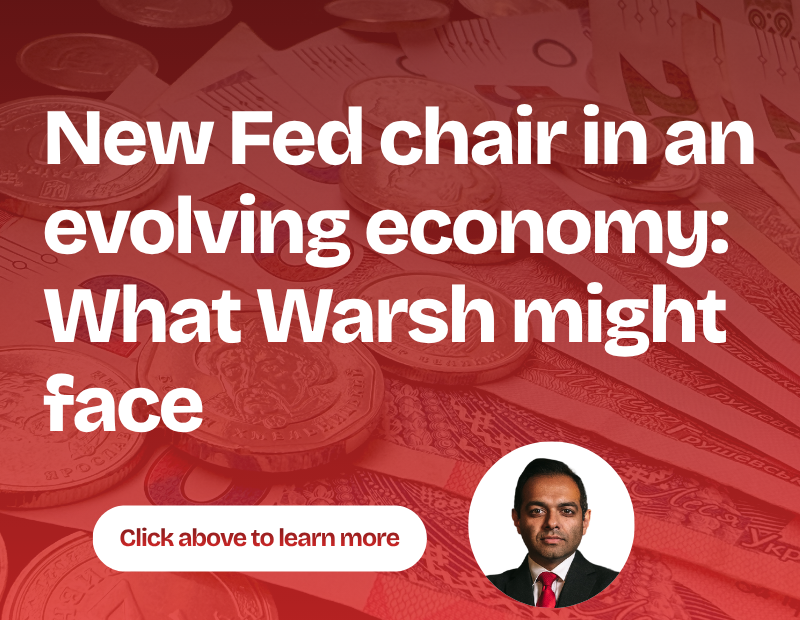
Ahead of Senate Banking Committee hearings for Kevin Warsh to take the helm of the Federal Reserve, interest rate policy has grabbed headlines.
President Donald Trump nominated Warsh with the assumption that the former Fed governor would be more likely to cut rates than outgoing chair Jerome Powell has been. Trump has repeatedly said borrowing costs should be much lower than they are now.
But many of the president’s own policies, from taxes to tariffs to the war in the Middle East, have driven inflation higher – so much so that the Fed’s next step could just as easily be hiking rates as cutting them.
Meanwhile, many analysts believe the economy has changed so much that the steps the Fed has taken in the past may no longer be relevant. Moving rates up or down might well be the least of Warsh's concerns if he becomes chair.
Inflation may reignite
Inflation fell throughout the late 20th century as the world globalized, said Steve Blitz, chief U.S. economist at GlobalData. But now, countries are pulling back and moving inward, with most developed economies, including the United States, wanting to produce goods domestically, not abroad.
In fact, the Trump administration is content with a slightly weaker dollar, which helps make U.S. producers more competitive with global counterparts and to try to bring manufacturing back to the United States. The administration’s immigration policies have helped shrink the workforce, making labor more expensive, and tariffs have raised input costs.
Source: USA TODAY