
The US Housing Market Divergence: Multifamily Resilience and Single-Family Struggles in 2025
The U.S. housing market in 2025 is a tale of two worlds. On one side, multifamily REITs—particularly those focused on affordable rental housing—are defying the odds, holding steady amid affordability crises and a deepening demand for rentals. On the other, single-family homebuilders grapple with a perfect storm of high mortgage rates, inventory overhangs, and a shrinking pool of first-time buyers. For investors, this divergence demands a sharp focus on strategic asset allocation, balancing resilience with innovation to navigate the sector's uneven landscape.
The Resilience of Multifamily REITs
Multifamily REITs have emerged as a relative bright spot in a challenging market. Despite a 2.7% drop in funds from operations (FFO) in Q1 2025, these REITs have held up better than their single-family counterparts, driven by stubbornly high occupancy rates (over 95%) and a rental market that remains in demand. The key driver? A rental affordability crisis that has pushed first-time buyers—now just 24% of the market—to the sidelines, leaving them reliant on apartments and single-family rentals.
However, the apartment sector is not without its challenges. A construction boom post-pandemic has left many markets with oversupply, particularly in high-growth cities like Austin, where new units outpace demand. This has led to flat rent growth and underperformance compared to the broader FTSE Nareit All Equity REITs Index, which gained 1.6% year-to-date versus a 1.9% drop for residential REITs. The good news? Multifamily construction has slowed since late 2024, signaling a potential rebalancing of supply and demand. Investors should watch for rent growth acceleration in the coming quarters, particularly in REITs with geographically diversified, affordable portfolios.
The Struggles of Single-Family Homebuilders
Single-family homebuilders, meanwhile, face a more dire outlook. With mortgage rates hovering above 6%, affordability has become a wall that even the most aggressive price cuts cannot scale. Housing starts in June 2025 dropped to an annualized rate of 883,000 units, the lowest since July 2024, while builder sentiment remains in negative territory for 15 consecutive months. The South, which accounts for a third of U.S. housing starts, has seen a 12.4% year-to-date decline in single-family construction, while the Midwest's 10% increase reflects better affordability and demographic tailwinds.
Inventory overhangs further complicate the picture. A 3.5-month supply of homes on the market—a historically low level—has deepened the affordability crisis, pushing more buyers into the rental market. Meanwhile, rising resale inventory in the single-family sector has intensified competition, forcing builders to slash prices. The result? A market where 38% of builders reported price cuts in July 2025, the highest rate since 2022.
The Tech-Driven Silver Lining
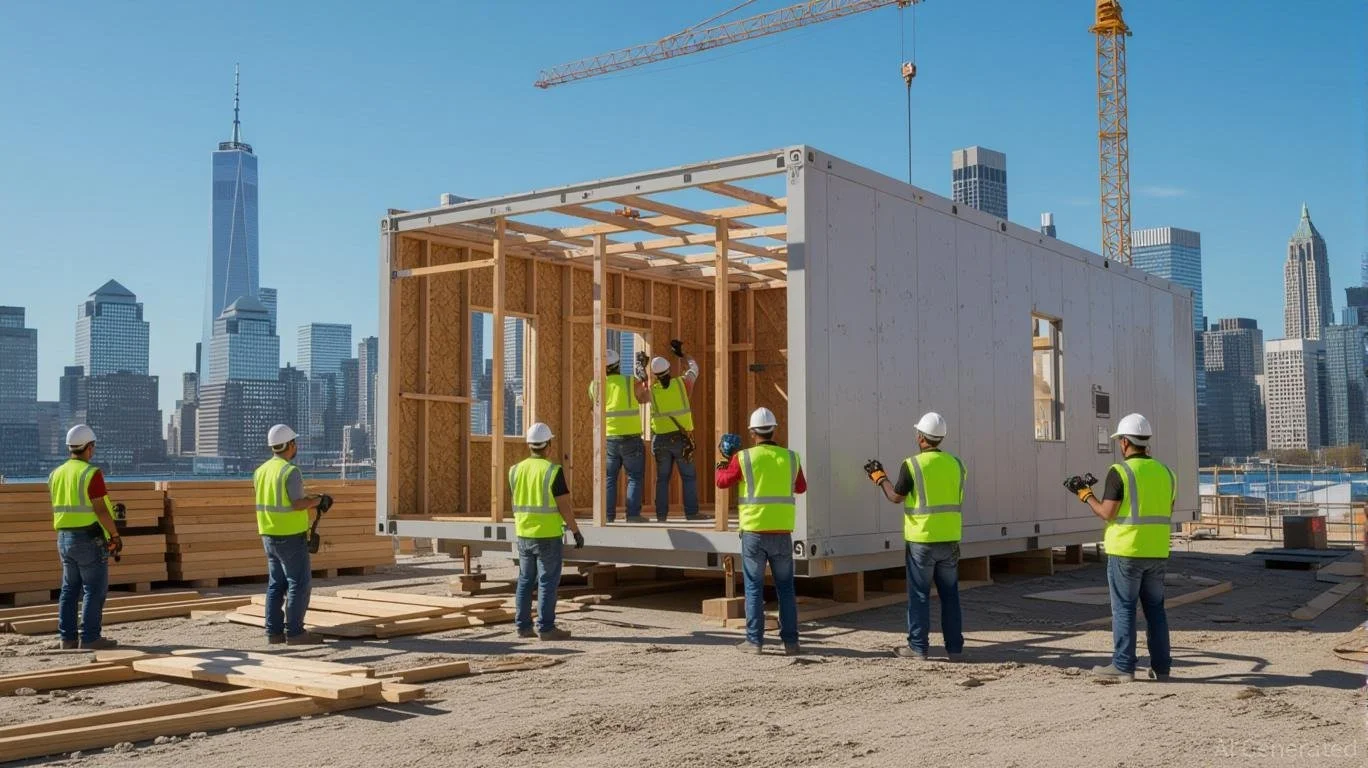
Amid this gloom, a new wave of construction technology is offering a lifeline. Modular construction, AI-driven design, and material efficiency platforms are reducing costs by 15–30% and accelerating timelines, making affordable housing more viable. Companies like ModSpace and PlanGrid are leading the charge, targeting markets where affordability and supply constraints collide. For investors, these innovators represent a long-term play on a sector in transition.
Strategic Asset Allocation: Where to Play and Where to Avoid
For 2025, the playbook is clear: prioritize multifamily REITs with a focus on affordable housing and Sun Belt exposure, while cautiously allocating to construction tech firms. Avoid overexposure to traditional single-family homebuilders, particularly in overbuilt markets.
Affordable Multifamily REITs: Look for names like BSR Realty, which maintained 95.7% occupancy in Q2 2025 despite a challenging rental market. These REITs benefit from sticky tenant retention and stable cash flows.
Construction Technology: Target companies solving supply-side challenges with scalable solutions. Modular builders and AI-driven design firms are well-positioned to capitalize on the affordability crisis.
Geographic Diversification: Favor REITs with exposure to regions like the South and Southwest, where population growth and affordability pressures are most acute.
The Long Game
While the near-term risks for single-family homebuilders remain high, the long-term outlook for residential real estate is not all bleak. As mortgage rates stabilize and inventory rebalances, demand for homeownership will eventually return. But until then, the rental market—and the REITs that serve it—will remain a cornerstone of the housing sector. For investors, the key is to lean into resilience while hedging against the headwinds facing traditional homebuilders.
In the end, the U.S. housing market's divergence is a reminder: in a world of scarcity and innovation, the winners will be those who adapt.